Pilates

Movement with intention.

A practice of attention, control and adaptable strength.

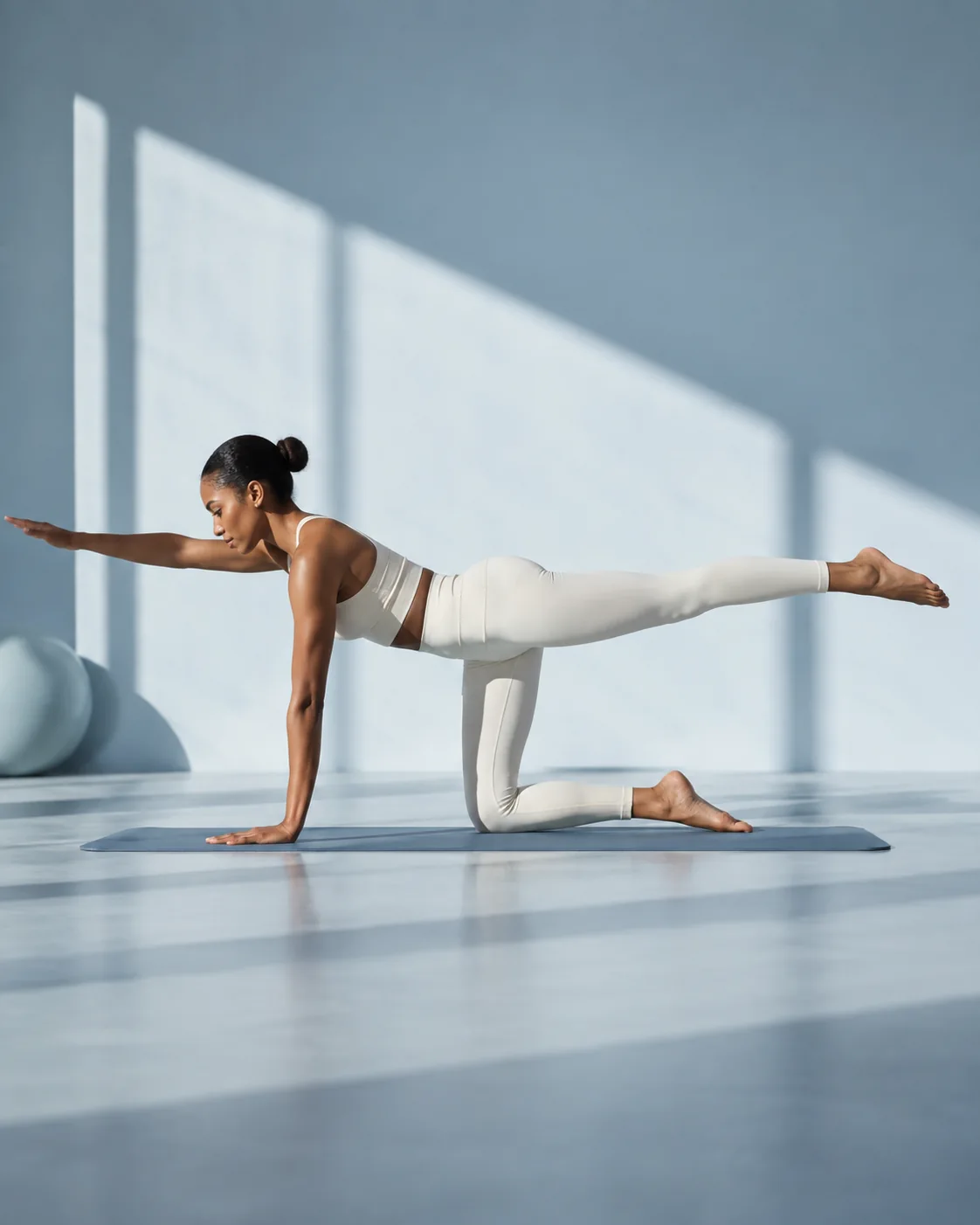
Woman extending opposite arm and leg from a supported kneeling position.

What the practice feels like

Pilates is a movement practice that uses breath and attention to develop control and coordination. Movements, resistance and support can be adapted to the class level without turning practice into a performance test.

A class commonly starts at a pace that lets you understand a movement before adding range or resistance. Guidance connects breath, position and weight transfer, while pauses and questions remain a normal part of learning. The effort can feel precise and quiet while still asking for sustained attention.

Mat or Reformer?

Mat classes use body weight and simple props. Reformer sessions add a carriage, springs and straps that can support movement or increase resistance. Neither format is inherently better; the choice is about how you like to learn, the pace you want and what fits your week.

Choosing where to begin

A Beginner class may suit someone who wants a slower explanation. Reformer can appeal when feedback from the apparatus feels useful, while Restore makes room for gentler mobility. Class names offer a starting point rather than a promise that one format fits everyone.

At Naola, the concept is clear guidance, room for questions and progression that assumes no previous experience in Beginner-labelled classes. The goal is a practice you can understand and return to, rather than an impressive first performance. Explore the practices here; booking and final programme details are not available yet.

Explore classes

Questions, considered

Do I need previous experience?

Not for classes labelled Beginner.

Is Beginner different from Reformer?

Beginner describes the level; Reformer describes the equipment. You can be new to Pilates and choose an introductory Reformer class. Read both the level and the format when comparing sessions.

Do I need to be flexible to begin?

You do not need to arrive with a particular range of movement. Choose an introductory level and ask the teacher to help you understand the starting position and available variations.

What does ‘control’ mean in a Pilates class?

It means paying attention to how a movement starts, travels and finishes. That may involve slowing down, making the movement smaller or following one instruction at a time. It does not mean holding your breath or making every muscle tense.

What if I am returning after a break?

You can choose a foundational level again. Tell the teacher what feels familiar and what you would like explained. Previous experience does not oblige you to start at the same pace or level as before.

What should I bring?

Comfortable clothing that stays in place as you move, water and your questions. Check the final class guidance for footwear and equipment requirements.

Can I book a class yet?

Booking is not open on this website. You can explore the practices and prepare for your first visit; a sample schedule does not create a reservation.